
How to Draw a Dog's Head Step by Step
This collection features step-by-step drawing lessons on the topic. Choose a drawing and follow the stages.
Choose a lesson
Choose a drawing to view its steps or video.
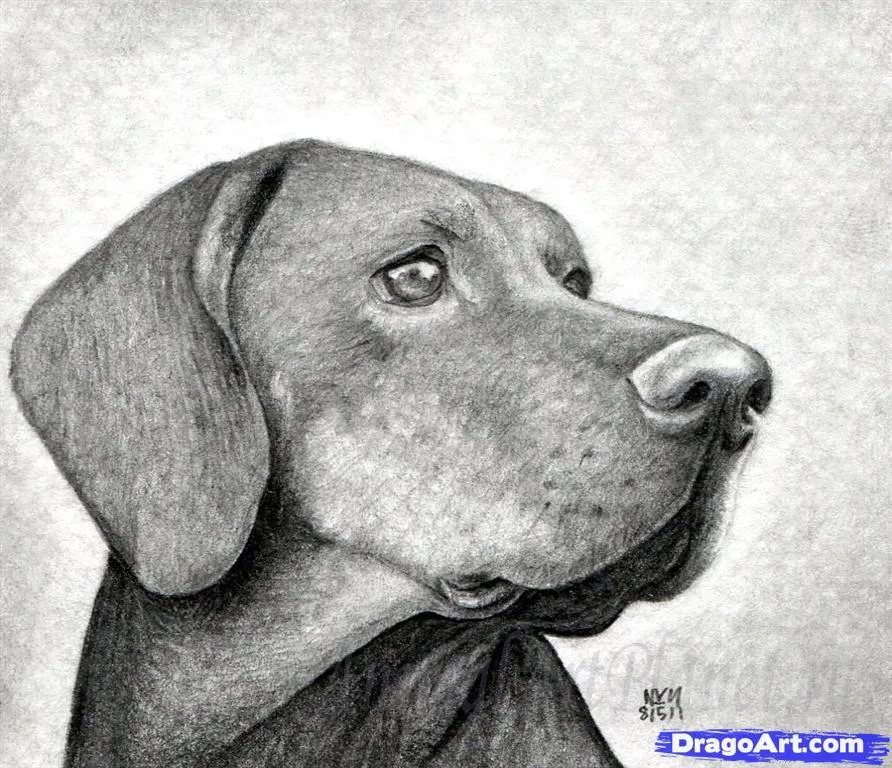
Dog Head
To steps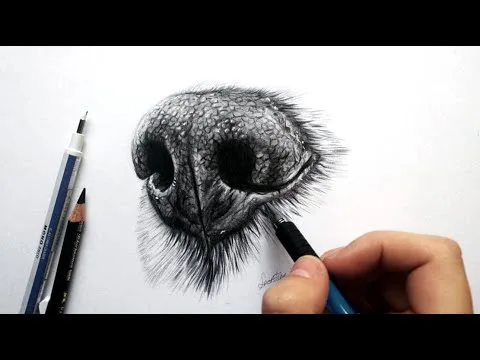
Dog Nose
To video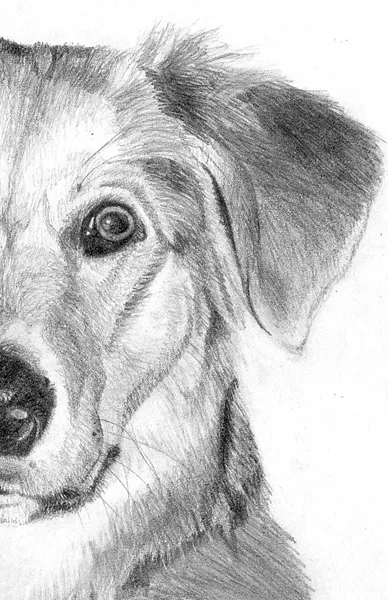
Realistic Dog Face
To steps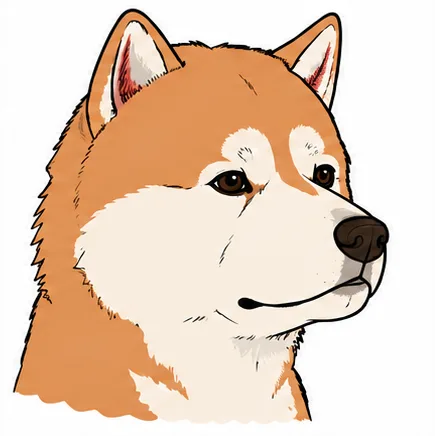
Akita Inu Head
To steps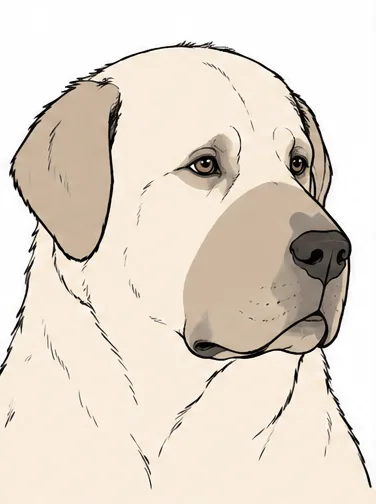
Central Asian Shepherd Dog Head
To steps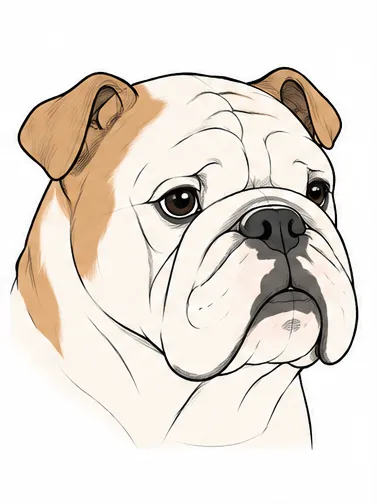
English Bulldog Head
To steps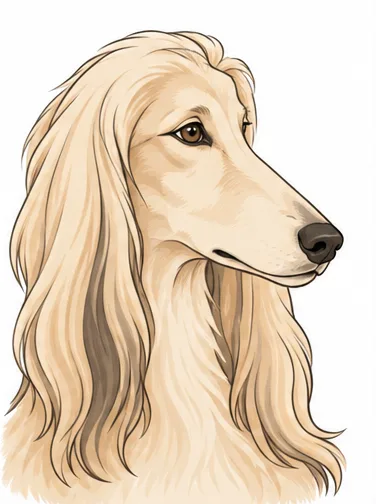
Afghan Hound Head
To steps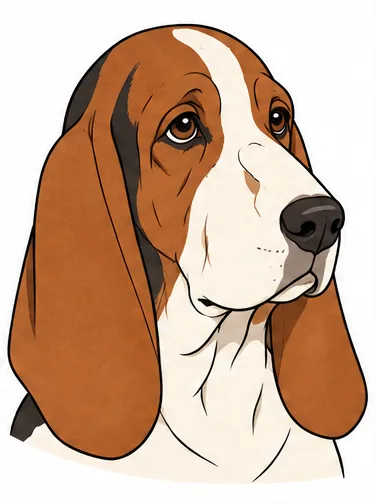
Basset Hound Head
To steps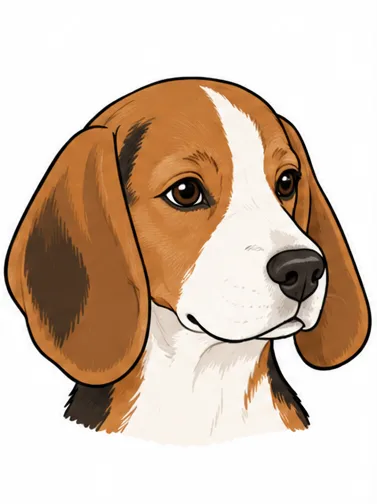
Beagle Head
To steps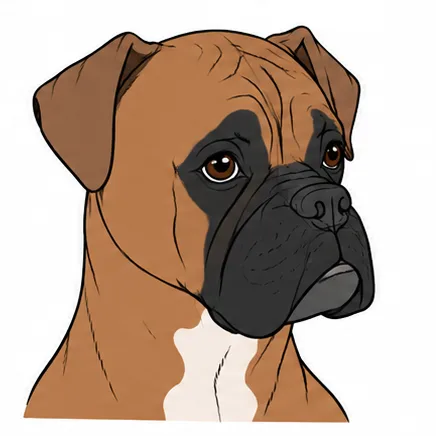
Boxer Head
To steps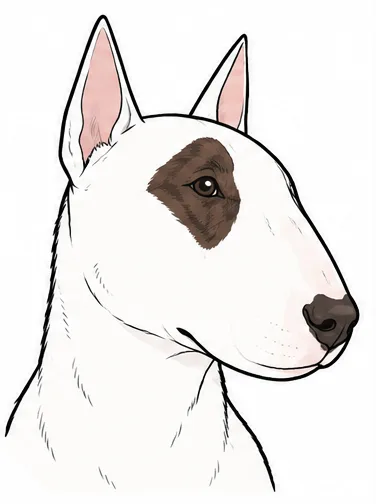
Bull Terrier Head
To steps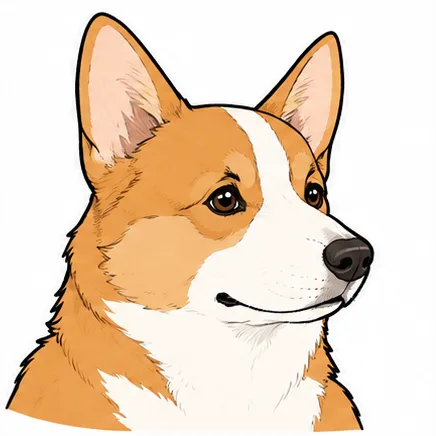
Corgi Head
To steps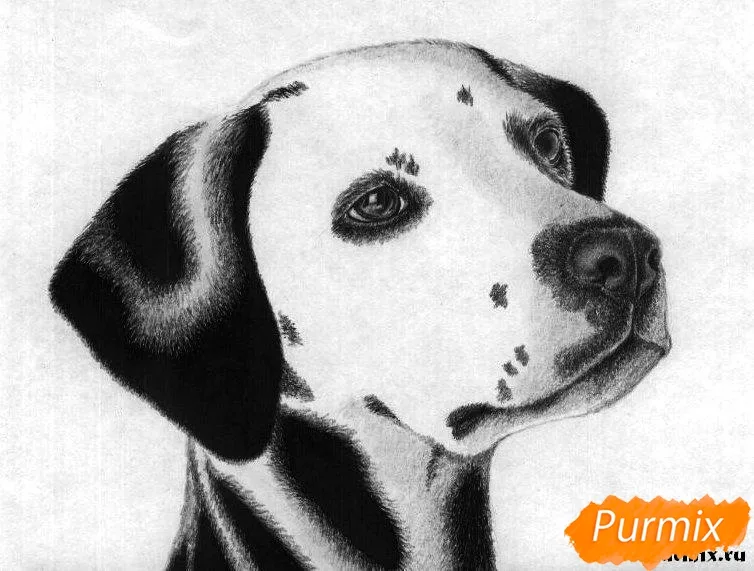
Dalmatian Head
To steps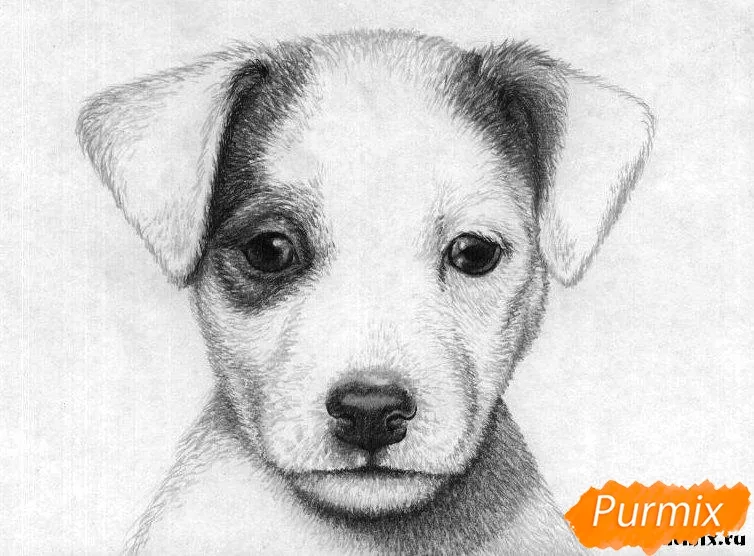
Jack Russell Terrier Puppy Portrait
To steps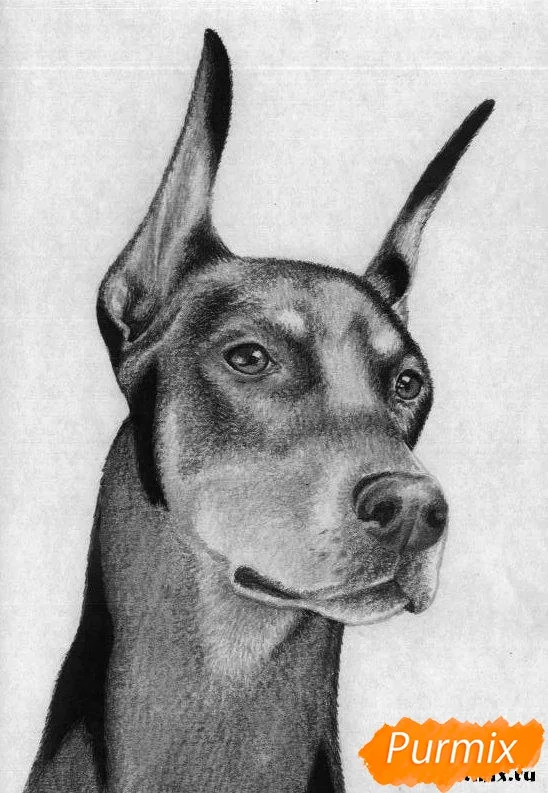
Doberman Head
To steps
Golden Retriever Head
To steps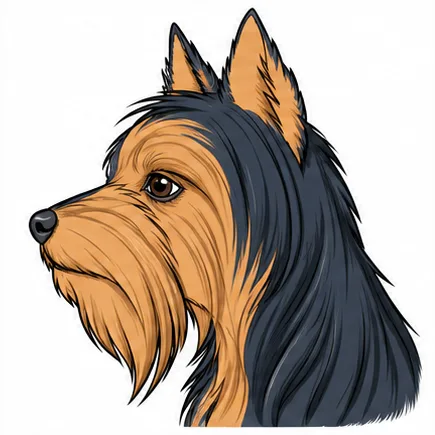
Yorkshire Terrier Head
To steps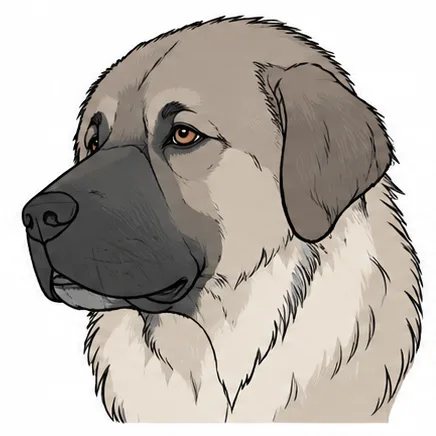
Caucasian Shepherd Dog Head
To steps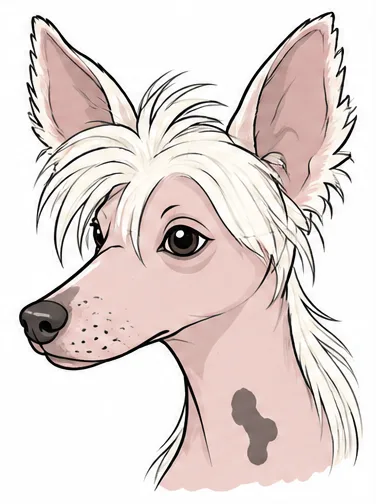
Chinese Crested Head
To steps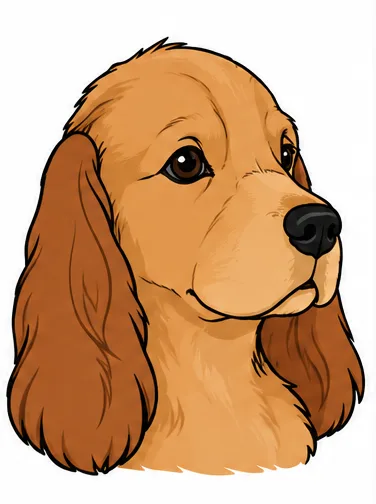
Cocker Spaniel Head
To steps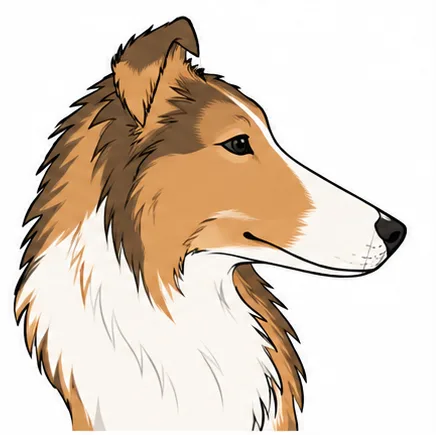
Collie Head
To steps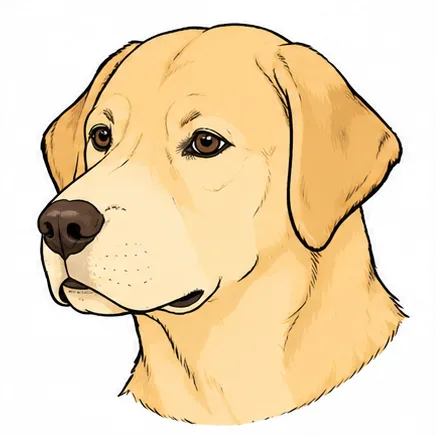
Labrador Retriever Head
To steps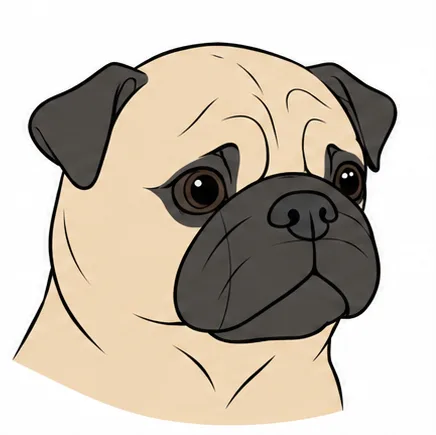
Pug Head
To steps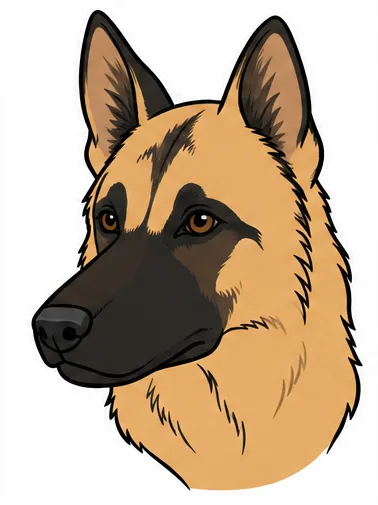
German Shepherd Head
To steps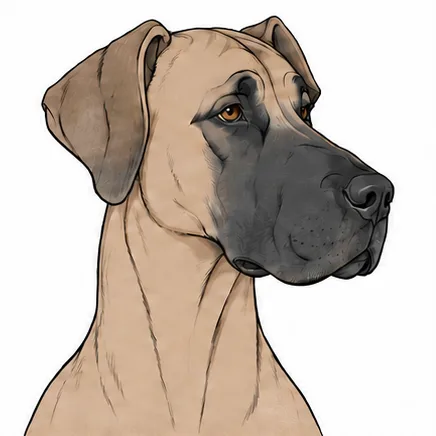
Great Dane Head
To steps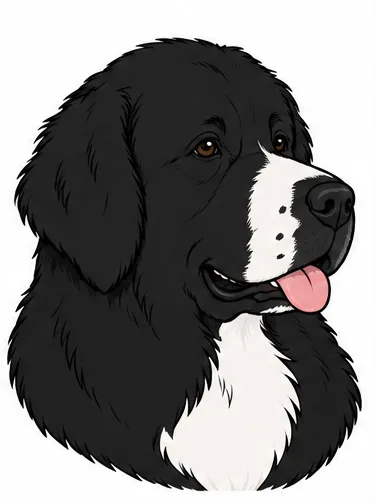
Newfoundland Head
To steps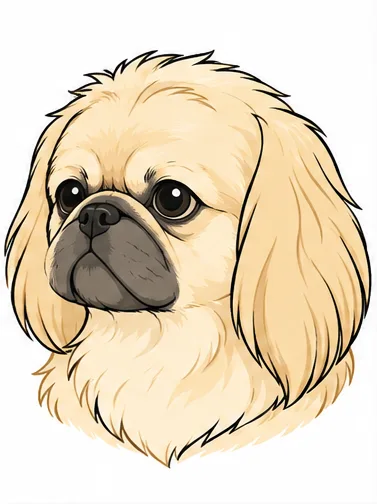
Pekingese Head
To steps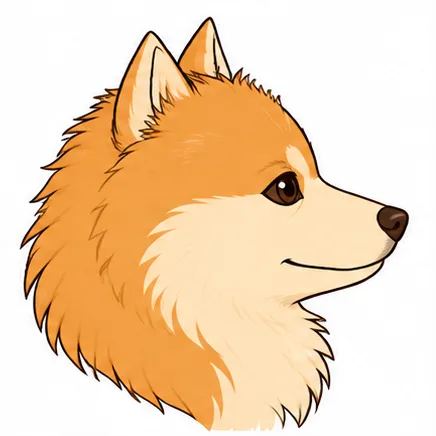
Pomeranian Head
To steps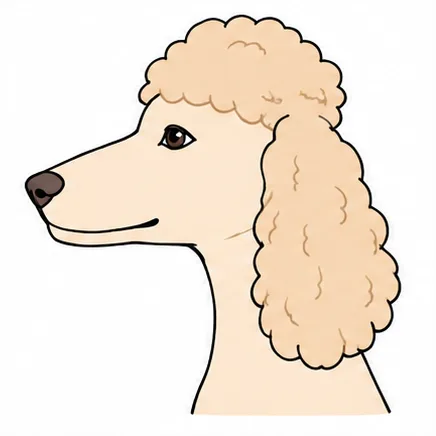
Poodle Head
To steps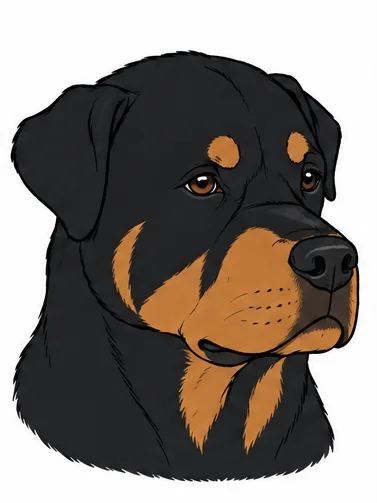
Rottweiler Head
To steps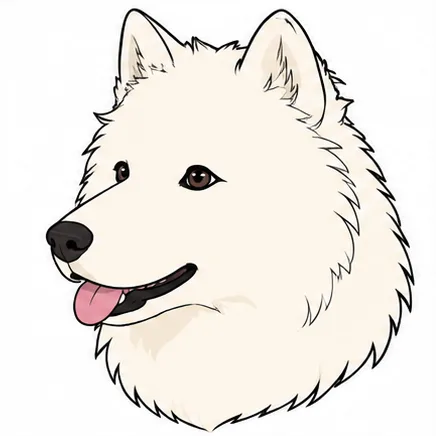
Samoyed Head
To steps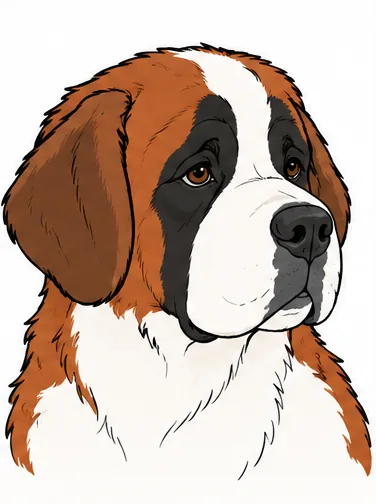
Saint Bernard Head
To steps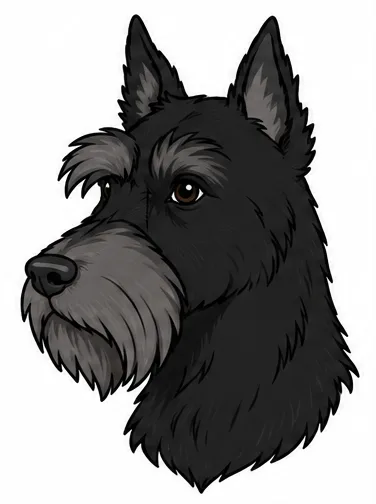
Scottish Terrier Head
To steps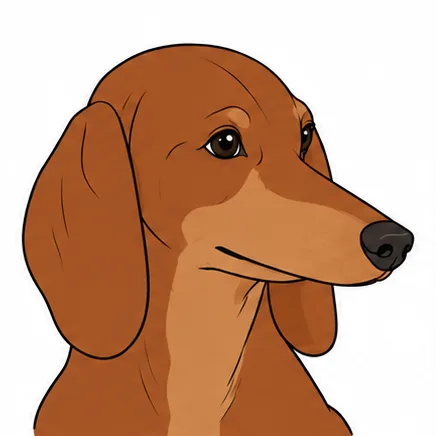
Dachshund Head
To steps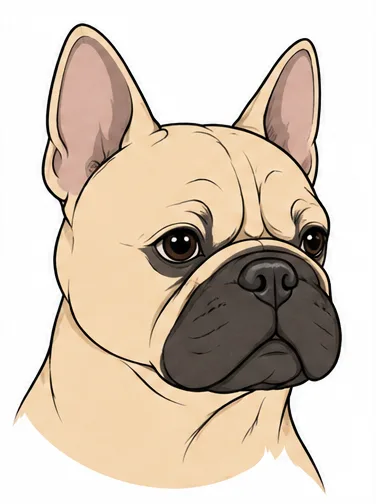
French Bulldog Head
To steps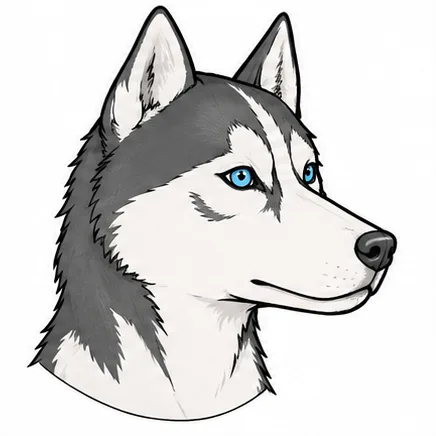
Husky Head
To steps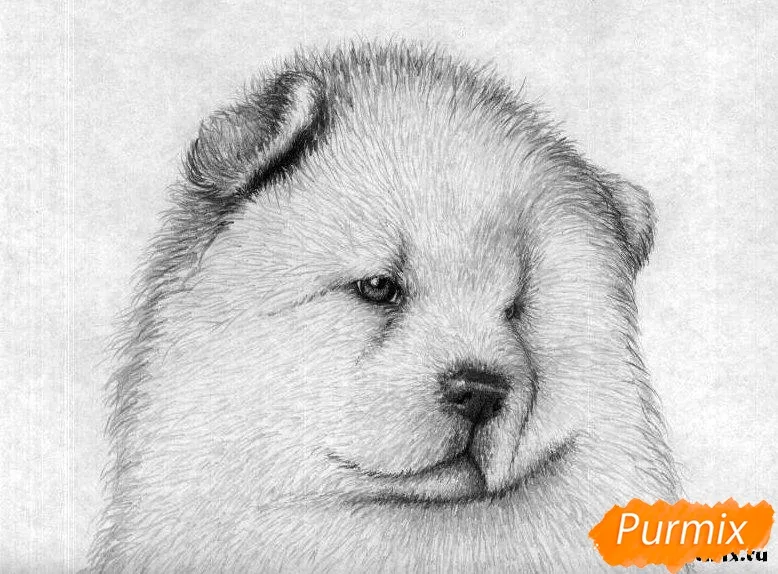
Chow Chow Portrait
To steps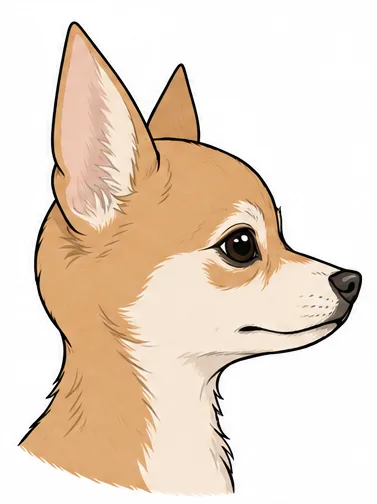
Chihuahua Head
To steps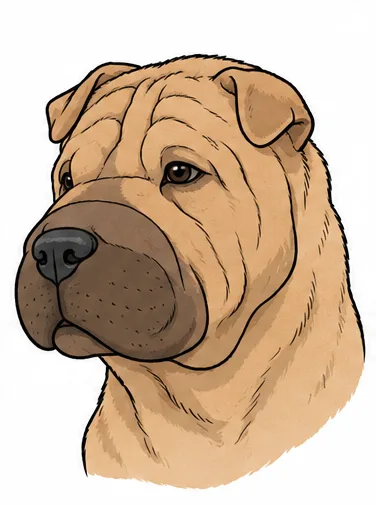
Shar-Pei Head
To steps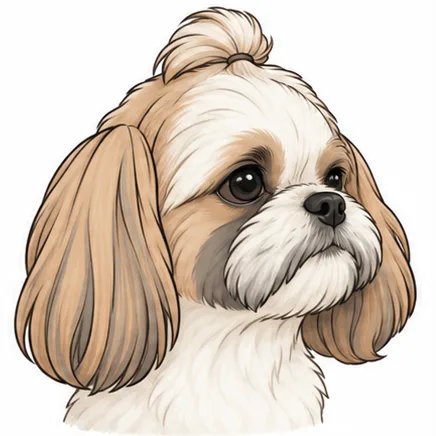
Shih Tzu Head
To steps
Dog Head
+12+13+16012Open stepsShow less
Log in to save your marks. Log in
Start with a general sketch of the dog’s head. Keep your sketch as light as possible.
Use a blending stump or cloth to shade the background (in other words, add hatching and blend it). This helps the foreground stand out a little.
I like to start adding detail with the eyes. You can begin by refining the lines so they look less like a sketch. I used a 2B pencil for this.
Now use 2B and B pencils to refine the eyes. Make them as clearly defined as possible.
Now shade the forehead and the area around the eyes. Depending on the paper, you may need another layer of hatching, or you may not. I’m using textured watercolor paper, so I’ll need to add more layers later.
Now work on the ear. Define its outline and the shadow separating it from the head.
Shade the ear with a 2H pencil. Follow the direction of the fur as you hatch instead of adding random strokes.
Now move on to the nose. Use B and HB pencils to shade the nose itself. Continue using 2H for the fur.
Use 2H to add a layer of gray to the rest of the muzzle.
Use 2B and B pencils to mark the dark parts of the lips. Use HB for the shading.
Once you’ve shaded the rest of the dog, you’ll have finished the first layer. Now go back through the same areas in the same order and add another layer of fur hatching with 2H. Refine the outlines and clean up the background.
Here’s the result after another round of hatching and cleanup.
Dog Nose
+0+0+0VideoOpen videoShow less
Log in to save your marks. Log in
Realistic Dog Face
+0+4+447Open stepsShow less
I prefer working with a 0.7 mm HB mechanical pencil. That's all I need for the drawing. I also use an eraser, my fingers, and paper tissues for blending and lifting highlights.
Log in to save your marks. Log in
Make a sketch on a sheet of paper. Keep the lines as neat as possible so you can shade them later. I mark the light and shadow areas and draw the main features of the face, such as the eyes and nose.
Start shading. I like to begin with the darkest areas: the nose, eyes, left ear, and a few areas of fur. Don’t ask why I start with the darkest areas. The eyes are very important, but unlike most people, I don’t always start with them; sometimes I leave them until last. This time, I’m starting with the eyes.
I like to work from right to left. I place a sheet of paper under my hand so I don’t smudge the drawing. Shade the fur, carefully following the direction and placement of the hairs. Their length matters, too: use short strokes for short fur and long strokes for long fur.
Sadi’s face is starting to take on its own character. The contrast between dark and light gives it volume.
Vary the length of your strokes to show different textures.
The drawing of Sadi is finished. The lower part doesn’t need much detail because the main focus is on the face. I blend the lower part with a tissue, then use an eraser to lighten the brightest areas and clean up smudges. Finally, I draw the whiskers and sign my name.
Here’s an enlarged image so you can see the details. As you can see, I made a few changes: I removed the collar and changed her pose. I drew her sitting, although she’s lying down in the photo. The drawing took six hours.
Akita Inu Head
+0+0+08Open stepsShow less
Draw the Akita Inu's head turned to the right, with pointed ears and a dense, short coat. Leave the cheeks and chest light against the reddish fur.
Log in to save your marks. Log in
Sketch the head, protruding muzzle, and neck, and draw facial guide lines.
Outline the forehead, back of the head, and lower edge of the muzzle.
Add two upright ears with inner curves.
Refine the volume of the muzzle, chin, and mouth line.
Draw the eyes and nose with nostrils.
Use strokes to show fur on the back of the head, neck, and inside the ears.
Mark the edges of the light-colored fur above the eyes and on the cheeks.
Color the top of the head reddish and the cheeks and neck cream. Make the nose and pupils dark and the inside of the ears pinkish.
Central Asian Shepherd Dog Head
+0+0+08Open stepsShow less
In this Alabai portrait, emphasize the broad head, short, drooping ears, and massive muzzle. Add gray-brown patches to the light coat.
Log in to save your marks. Log in
Sketch the head with guide marks, the volume of the muzzle, and the position of the ears.
Refine the rounded forehead and broad cheekbone.
Outline the ears and the two rounded parts of the muzzle.
Add the thick neck and folds beneath the chin.
Draw the large nose with nostrils.
Add the eyes and hanging edge of the lower lip.
Use short strokes to show fur on the forehead, cheeks, and neck.
Color the fur cream and the ears and muzzle gray-brown. Add shadows beneath the eyes and color the nose black.
English Bulldog Head
+0+0+08Open stepsShow less
Draw the English Bulldog's head with broad cheeks, small ears, and heavy wrinkles. Add reddish patches near the ears to its white face.
Log in to save your marks. Log in
Sketch the head, broad muzzle, chin, and small folded ears.
Outline the forehead and rounded cheeks.
Refine the folds of the ears and the hanging halves of the upper lip.
Add the neck and folds beneath the chin.
Draw the short nose with large nostrils.
Add the eyes, folds around them, and lower lip.
Draw the forehead folds, edges of the markings, and inside of the ear.
Leave the face white with gray shadows in the folds. Color the ears and side markings reddish and the nose and edges of the lips black.
Afghan Hound Head
+0+0+08Open stepsShow less
Draw the Afghan Hound's head with a long, narrow muzzle and wavy fur on the ears. Light locks will frame the face and continue down the neck.
Log in to save your marks. Log in
Sketch the head, elongated muzzle, and long neck.
Outline the forehead, bridge of the nose, and lower edge of the muzzle.
Add the long, floppy ears, dividing their edges into wavy tufts.
Draw the nose and thin mouth line.
Add the eye with a dark upper lid.
Draw the inner wavy fur on the near ear.
Add tufts on the crown, second ear, and front of the neck.
Color the fur cream and beige, darkening the hollows between tufts. Make the nose black and the eye brown.
Basset Hound Head
+0+0+08Open stepsShow less
Let's draw the Basset Hound close up, with long ears and folds under the eyes. Run a white stripe down the center of its reddish head.
Log in to save your marks. Log in
Sketch the head, protruding muzzle, and two long ears.
Refine the forehead and the cheek contour near the near ear.
Outline the hanging ears and rounded parts of the muzzle.
Add the neck and folds beneath the chin.
Draw the large nose with nostrils.
Add the eyes, lower eyelids, and mouth lines.
Draw the forehead and cheek folds, then erase the guide marks.
Color the ears and head reddish brown, leaving the muzzle, center stripe, and neck white. Make the nose black.
Beagle Head
+0+0+08Open stepsShow less
Emphasize the Beagle's soft, drooping ears and the white stripe from its forehead to its nose. Show its short coat with a few strokes near the eyes and neck.
Log in to save your marks. Log in
Sketch the head, volume of the muzzle, ears, and facial guide lines.
Outline the rounded forehead and lower edge of the cheek.
Refine the long ears and protruding front of the muzzle.
Add the neck and short strokes beneath the chin.
Draw the nose with nostrils and the center line beneath it.
Add the eyes, mouth line, and lower lip.
Mark the edges of the patches and fine fur near the eyes and on the ears.
Color the head and ears reddish with dark shadows. Leave the muzzle, forehead stripe, and front of the neck white.
Boxer Head
+0+0+08Open stepsShow less
Draw the Boxer's head with a short, dark muzzle and wrinkles on the forehead. Add a small white stripe on the chest below its reddish neck.
Log in to save your marks. Log in
Sketch the head, short broad muzzle, neck, and folded ears.
Outline the forehead and cheekbone, keeping the head angular.
Refine the ear folds and hanging edges of the lips.
Add the broad neck and chest lines.
Draw the flattened nose with nostrils.
Add the eyes, folds near the bridge of the nose, and lower lip.
Draw the forehead and neck folds, then erase the guide marks.
Color the head and neck reddish brown and the muzzle and areas around the eyes almost black. Leave a white stripe on the chest.
Bull Terrier Head
+0+0+08Open stepsShow less
Build the Bull Terrier's head in an elongated shape, with a smooth transition from forehead to muzzle. Add a dark patch near the eye and pink ears to its white coat.
Log in to save your marks. Log in
Sketch the long head, two tall ears, and neck.
Outline the rounded forehead and tapering tip of the muzzle.
Refine the outlines of the ears and their inner edges.
Add the neck and lower cheek line.
Draw a small nose at the tip of the muzzle.
Add a small eye and long, thin mouth line.
Use short strokes to show fur on the cheek, back of the head, and neck.
Leave the head white, color the patch around the eye brown, and make the inside of the ears pink. Color the nose dark brown.
Corgi Head
+0+0+08Open stepsShow less
Draw the Corgi's head with very large, upright ears. Add a white stripe to its reddish fur, running from the forehead down the muzzle.
Log in to save your marks. Log in
Sketch the head, short muzzle, and two tall ears.
Outline the rounded cheek and lower edge of the head.
Refine the ears and rounded front of the muzzle.
Add the fluffy neck and chin.
Draw the nose with nostrils.
Add the eyes and slightly upturned mouth line.
Mark the edges of the light areas on the forehead, cheeks, and chest.
Color the fur reddish, leaving the muzzle, forehead stripe, and chest white. Add light pink inside the ears.
Dalmatian Head
+16+20+575Open stepsShow less
With this step-by-step lesson and large photos, you'll learn how to draw a realistic Dalmatian's head on paper in pencil.
Log in to save your marks. Log in
Before you begin, draw a vertical guideline to mark the top edge of the eyes. Because of perspective, the line should be at a slight angle rather than parallel to the edge of the paper. The dog’s right eye should be higher and smaller than the left (see the picture). Imagine dividing the arc you’ve drawn into three sections. Near the right eye, at a point one-third of the way along the vertical line, draw a crosswise line to mark the center of the muzzle. Extend this line toward the nose and forehead. This framework will help you construct the head correctly. Then use light lines to sketch the outlines of the head, ears, nose, and mouth as shown.
Use a soft pencil or black pen to draw the darkest areas of the eyes, leaving room for the highlights. Also draw the Dalmatian’s nostrils and mouth line.
Use a soft 2B pencil to draw the eyes, leaving a small dot for the highlight. Shade the nose with a soft 4B pencil. Notice the light line dividing the nose and the lighter shadow around the nostrils.
Use a soft pencil or black pen to draw the fur pattern. You can also use a marker to make this easier.
Use a soft B pencil to finish the fur. Shade the neck and lower part of the muzzle with heavier pressure because less light reaches those areas, so the shadows need to be denser.

Jack Russell Terrier Puppy Portrait
+14+29+954Open stepsShow less
In this lesson, you'll learn how to draw a Jack Russell Terrier puppy portrait step by step. You'll need a soft pencil (B7), a hard pencil (H), and a black pen. The lesson has four steps with photos.
Log in to save your marks. Log in
Use a hard H pencil to draw a vertical line dividing the future dog’s muzzle into two equal parts. Next, draw two parallel vertical lines. The lower line should divide the dog’s head in half vertically. Draw the outline of the muzzle. Notice that the puppy’s eyes are set wide apart. The nose is about twice as wide as the eyes.
Use a black pen to darken the eyes, nose, mouth, and ears as shown in the picture.
Use a soft 7B pencil to darken the pupils, leaving light areas for highlights. The outer corners of the eyes should be darker than the inner corners. Darken the nose, leaving a gray area. Leave two highlights next to the right nostril and on top of the nose. Darken the fur with broken strokes. The areas beneath the ears and muzzle should be darker than the rest because they receive the least light.
Use a hard H pencil to draw the remaining fur as shown. Pay close attention to the direction of the strokes. Draw the fur outward from the nose.
Doberman Head
+24+30+736Open stepsShow less
With this step-by-step photo lesson, you'll learn how to draw a realistic Doberman head on paper using a regular pencil and a black pen. The lesson has six steps.
Log in to save your marks. Log in
Before you begin, draw a curved vertical line to mark the center of the muzzle (see the picture). Then draw two auxiliary lines, one on each side of it, to indicate the upper part of the nose. Mark the nose at the bend in the main line and draw the outline of the dog’s head. Keep perspective in mind as you draw the eyes: the right eye is smaller and lower than the left. The mouth line is roughly level with the center of the left eye.
Outline the eyes with a black pen, paying special attention to the area beneath the upper eyelid, where a shadow falls. Leave room for highlights as you draw the pupils. Add the nostrils and sides of the nose. Outline the Doberman’s mouth and define its corners too.
Use a soft 4B pencil to shade the eyes, making them darker at the top. Lightly shade the tip of the nose with a hard pencil. The shadow becomes denser as it moves away from the tip, so draw that part with a soft pencil. Use a soft pencil to define the corners of the mouth.
To give the drawing more volume, use a pen, a hard pencil, and a soft pencil to draw the fur. Use the pen to add the fur as shown in the picture.
Use a soft pencil to shade the areas around the eyes, beneath the nose, and on the neck.
All that’s left is to use a hard pencil to shade the areas that receive the most light. Remember that Dobermans have short coats. Draw the fur with short, broken strokes.
Golden Retriever Head
+0+0+08Open stepsShow less
Draw the Golden Retriever's head with soft ears and a fluffy neck. Frame its light muzzle with warm golden fur.
Log in to save your marks. Log in
Sketch the head, muzzle, and ears, and draw facial guide lines.
Outline the crown and broad cheek.
Refine the fluffy edges of the ears and the rounded muzzle.
Add the neck with long tufts along its edges.
Draw the nose with nostrils.
Add the eye and slightly upturned mouth line.
Use short strokes to show fur at the bases of the ears and on the chest.
Color the fur golden and beige, and make the muzzle lighter. Color the nose dark brown and the eye brown.
Yorkshire Terrier Head
+0+0+08Open stepsShow less
Draw the Yorkshire Terrier's head with pointed ears, long whiskers, and a beard. Add dark tufts at the back of its head to its reddish muzzle.
Log in to save your marks. Log in
Sketch the head, elongated muzzle, tall ears, and neck.
Outline the forehead, cheek, and back of the head.
Refine the fluffy edges of the ears and short fur on the muzzle.
Add long beard strands and fur on the neck.
Draw a small nose at the tip of the muzzle.
Add the eye, upper eyelid, and mouth line.
Use long lines to divide the fur on the forehead, cheek, and neck into strands.
Color the muzzle and front of the neck golden reddish, and the back of the head dark blue with gray highlights. Make the nose black.
Caucasian Shepherd Dog Head
+0+0+08Open stepsShow less
Draw the Caucasian Shepherd Dog's head with a broad, dark muzzle and thick ruff. Add light locks on the neck to the gray fur on its crown.
Log in to save your marks. Log in
Sketch the head, voluminous muzzle, ear, and broad neck.
Refine the forehead and lower edge of the cheekbone.
Outline the small floppy ear and broad muzzle.
Add a fluffy ruff made of large, pointed tufts.
Draw the large nose with nostrils.
Add the eye and hanging edges of the lips.
Refine the fur on the crown, cheek, and ruff.
Color the head gray-brown and the muzzle dark gray. Color the ruff creamy gray and darken the hollows between the tufts.
Chinese Crested Head
+0+0+08Open stepsShow less
Let's draw the Chinese Crested Dog with large ears and white locks over its forehead. Add a small gray spot to the pink skin on its neck.
Log in to save your marks. Log in
Sketch the head, narrow muzzle, and long neck.
Outline the forehead, back of the head, and contours of the neck.
Add large, fluffy ears and stray tufts on the forehead.
Draw the nose, mouth line, and dots near the whiskers.
Add the large eye with a dark upper eyelid.
Refine the inner curves of the ears.
Draw the long forelock and sparse tufts along the neck.
Color the skin pale pink and the marking on the neck gray. Leave the fur white with gray shadows and make the nose dark.
Cocker Spaniel Head
+0+0+08Open stepsShow less
Draw the Cocker Spaniel close up, with long, fluffy ears. Frame its golden muzzle with darker, wavy locks.
Log in to save your marks. Log in
Sketch the head and rounded muzzle with guide lines.
Outline the crown, back of the head, and neck.
Add two long ears with fluffy lower edges.
Draw the nose and two rounded parts of the muzzle, then refine the chin.
Add the eyes with expressive upper eyelids.
Mark the wavy fur inside the ears.
Refine the tufts on the ears and chest, and erase the guide marks.
Color the head and chest golden and the ears reddish brown. Make the nose black and the eyes dark brown.
Collie Head
+0+0+08Open stepsShow less
Draw the Collie in profile, with a long, narrow muzzle and fluffy white ruff. Show the curled tip of the nearer ear.
Log in to save your marks. Log in
Sketch the head, elongated muzzle, ear, and neck.
Outline the back of the head with short, pointed tufts.
Refine the folded ear and long bridge of the nose.
Add the fluffy neck and lower edge of the muzzle.
Draw the nose at the very tip of the elongated muzzle.
Add a small eye and thin mouth line.
Draw the fur near the ear, on the cheek, and around the ruff.
Color the head reddish with a dark back of the head, leaving the muzzle and ruff white. Make the nose and eye black.
Labrador Retriever Head
+0+0+08Open stepsShow less
Draw the Labrador Retriever's head turned to the left, with a broad muzzle and short, drooping ears. Use light golden shades for its coat.
Log in to save your marks. Log in
Sketch the head, voluminous muzzle, and broad neck.
Outline the forehead, back of the head, and neck line.
Add two floppy ears with rounded tips.
Refine the rounded muzzle and lower edge of the lip.
Draw the eyes and large nose with nostrils.
Add short strokes on the cheek and folds near the ear.
Refine the fur on the crown and neck, then erase the guide marks.
Color the fur light golden and the muzzle cream. Darken the folds and the area beneath the ears, and color the nose brown.
Pug Head
+0+0+08Open stepsShow less
Let's draw the Pug with a round head, large eyes, and short black muzzle. The forehead wrinkles will emphasize its expression.
Log in to save your marks. Log in
Sketch the head, small ears, and broad, short muzzle.
Outline the rounded forehead and cheeks.
Refine the folded ears and the two parts of the muzzle.
Add the neck and fold beneath the chin.
Draw the flattened nose and the line beneath it.
Add the large eyes, lower lip, and main forehead folds.
Refine the folds around the eyes and along the sides of the muzzle.
Color the head and neck beige and the ears and muzzle dark gray. Make the pupils and nose black, leaving highlights in the eyes.
German Shepherd Head
+0+0+08Open stepsShow less
Draw the German Shepherd's head with tall ears and an elongated, dark muzzle. Add dark patches around the eyes and on the forehead against its reddish fur.
Log in to save your marks. Log in
Sketch the rounded base of the head and long muzzle with guide lines.
Outline the forehead, cheek, and fluffy edge of the neck.
Add two tall, pointed ears.
Refine the muzzle, chin, and lower lip.
Draw the eyes and large nose.
Use short strokes to show fur inside the ears and on the back of the head.
Mark the edges of the dark areas on the face and tufts on the chest.
Color the fur reddish beige and the muzzle and areas around the eyes black. Darken the inner edges of the ears and leave light areas on the chest.
Great Dane Head
+0+0+08Open stepsShow less
In this Great Dane portrait, emphasize the long neck and massive, rectangular muzzle. Drooping ears and a dark mask complete the light brown head.
Log in to save your marks. Log in
Sketch the head, elongated muzzle, two ears, and long neck.
Outline the forehead and side contours of the head.
Refine the fold of the near ear and the broad edges of the muzzle.
Add lines for the long neck and chest.
Draw the large nose with nostrils.
Add the eyes and hanging corners of the lips.
Mark the folds on the forehead, cheeks, and neck, then erase the construction lines.
Color the head and neck light brown and the muzzle dark gray. Make the ears and folds slightly darker than the base color.
Newfoundland Head
+0+0+08Open stepsShow less
Let's draw the Newfoundland with a fluffy neck and mouth slightly open. Leave white areas on the muzzle and chest against its black coat, and add a pink tongue.
Log in to save your marks. Log in
Sketch the head, broad muzzle, ears, and voluminous neck.
Outline the crown, cheek, and lower edge of the muzzle.
Refine the fluffy ear and straight edges of the muzzle.
Add the thick ruff and hanging lower lip.
Draw the nose with nostrils.
Add the eyes, open mouth, and small tongue.
Draw the fur on the head, ears, and chest.
Color the fur black with gray highlights, leaving the muzzle and chest patch white. Make the tongue pink.
Pekingese Head
+0+0+08Open stepsShow less
Draw the Pekingese's head with a flat, dark muzzle and long ears. Its light fur forms a soft, fluffy frame around the face.
Log in to save your marks. Log in
Sketch the head and small oval muzzle.
Outline the crown and fluffy lower edge of the head.
Add long ears with rounded, fluffy tips.
Draw the nose and two rounded parts of the muzzle.
Add large, round eyes and short lines above them.
Divide the fur on the ears into long, wavy strands.
Refine the short tufts on the crown and beneath the chin.
Make the fur cream-gold and the muzzle gray-brown. Highlight the nose and pupils in almost black.
Pomeranian Head
+0+0+08Open stepsShow less
Draw the Pomeranian's head in profile, with small ears and a full, fluffy neck. Add a light muzzle to its reddish coat.
Log in to save your marks. Log in
Sketch the rounded head, pointed muzzle, and two small ears.
Outline the back of the head with long, jagged tufts.
Refine the ears and smooth transition from the forehead to the muzzle.
Add the fluffy chest and lower edge of the muzzle.
Draw the small nose.
Add the eye and slightly upturned mouth line.
Refine the tufts on the forehead and cheek, then erase the guide marks.
Color the fur reddish and the muzzle and front of the neck cream. Highlight the nose and eye in dark brown.
Poodle Head
+0+0+08Open stepsShow less
Draw the Poodle's head in profile, with a long muzzle and curly topknot. Frame the drooping ear with soft, rounded curls.
Log in to save your marks. Log in
Sketch the head, long muzzle, neck, ear, and rounded cap of fur.
Refine the forehead, back of the head, and lower edge of the cheek.
Outline the muzzle and curly edge of the long ear.
Add the slender neck and chin line.
Draw a small nose at the tip of the muzzle.
Add the eye and long, thin mouth line.
Use short arcs to mark the curls on the cap of fur and ear.
Color the fur light beige and the muzzle and neck cream. Make the nose brown and the eye almost black.
Rottweiler Head
+0+0+08Open stepsShow less
Draw the Rottweiler's broad head with short, drooping ears. Highlight tan markings above the eyes, on the cheeks, and on the neck against its black coat.
Log in to save your marks. Log in
Sketch the head, voluminous muzzle, ears, and neck.
Outline the rounded forehead and lower part of the cheekbone.
Refine the ears and broad edges of the muzzle.
Add the thick neck and hanging edge of the lip.
Draw the nose with large nostrils.
Add the eyes and lower lip.
Mark the tan points above the eyes and on the cheeks.
Color the fur black and the tan points reddish brown. Leave subtle highlights on the nose and dark areas.
Samoyed Head
+0+0+08Open stepsShow less
Let's draw the Samoyed with thick white fur, small ears, and its mouth slightly open. Make its fluffy ruff wider than its head.
Log in to save your marks. Log in
Sketch the head and protruding muzzle with guide lines.
Outline the head and broad ruff with uneven tufts.
Add small triangular ears with fur inside.
Refine the muzzle and upturned corners of the mouth.
Draw the eyes and nose.
Add separate tufts on the cheeks and lower edge of the ruff.
Refine the fur on the forehead and neck, then erase the construction lines.
Leave the fur white and cream with gray shadows. Make the nose and mouth black and the small tongue pink.
Saint Bernard Head
+0+0+08Open stepsShow less
Draw the Saint Bernard's head with a heavy muzzle and fluffy neck. Add brown ears, dark patches around the eyes, and a white stripe on the forehead.
Log in to save your marks. Log in
Sketch the head, broad muzzle, ears, and ruff.
Outline the forehead and lower edge of the head with short strokes.
Refine the floppy ear and rounded parts of the muzzle.
Add thick fur on the neck.
Draw the nose with nostrils.
Add the eyes, lower lip, and edges of the mouth.
Mark the edges of the patches on the forehead, near the eyes, and on the neck.
Color the ears and sides of the head reddish, and the patches around the eyes dark. Leave the muzzle, forehead stripe, and chest white.
Scottish Terrier Head
+0+0+08Open stepsShow less
Draw the Scottish Terrier's head with pointed ears, thick brows, and a beard. Highlight gray tufts around the muzzle against its black coat.
Log in to save your marks. Log in
Sketch the head and rounded base of the muzzle.
Outline the fluffy back of the head and broad neck.
Add upright ears, a heavy brow, and a shaggy muzzle.
Draw the nose and divide the beard beneath the mouth.
Add the eye beneath the thick brow.
Refine the fur inside the ears and the long beard strands.
Add strokes on the cheek, forehead, and chest.
Color the fur black, and highlight the brows and beard in gray. Leave the nose almost black with a small reflection.
Dachshund Head
+0+0+08Open stepsShow less
Draw the Dachshund's head with a long, narrow muzzle and rounded, drooping ears. Make the reddish-brown fur lighter on the cheek and neck.
Log in to save your marks. Log in
Sketch the head, long muzzle, two ears, and neck.
Outline the rounded forehead and side of the head.
Refine the ears and tapering muzzle.
Add the neck and lower cheek line.
Draw the small nose with nostrils.
Add the eyes and long mouth line.
Mark the folds at the bases of the ears and short fur on the neck.
Color the head and ears reddish brown, and make the muzzle and front of the neck lighter. Color the nose black.
French Bulldog Head
+0+0+08Open stepsShow less
Draw the French Bulldog's head with large, upright ears and a short, dark muzzle. Show a few wrinkles on the light forehead.
Log in to save your marks. Log in
Sketch the head, broad muzzle, two tall ears, and neck.
Outline the rounded forehead and broad cheeks.
Refine the shape of the ears and the two rounded parts of the muzzle.
Add the short neck and folds beneath the chin.
Draw the flattened nose with nostrils.
Add the eyes, lower lip, and folds above the bridge of the nose.
Refine the facial folds and edges of the markings.
Color the head and neck beige, the muzzle dark gray, and the inside of the ears pinkish brown. Make the nose black.
Husky Head
+0+0+08Open stepsShow less
Draw the Husky's head with pointed ears and blue eyes. Separate the white cheeks from the gray crown with an uneven mask edge.
Log in to save your marks. Log in
Sketch the head, elongated muzzle, and neck with guide lines.
Outline the forehead, back of the head, and lower part of the cheek.
Add two pointed, upright ears.
Refine the muzzle, nose, and mouth line.
Draw the eyes, making the far eye slightly narrower.
Use short strokes to show fur on the back of the head, neck, and inside the ears.
Mark the edges of the mask above the eyes and on the forehead.
Color the crown and back of the head gray, leaving the cheeks and neck white. Make the eyes blue and the nose black.
Chow Chow Portrait
+5+19+544Open stepsShow less
In this lesson, you'll learn how to draw a Chow Chow portrait step by step. You'll need a soft pencil (B4), a hard pencil (H), and a black pen. The lesson has four steps.
Log in to save your marks. Log in
Draw two horizontal lines as shown. Notice that they aren’t parallel. Near the left end of the lines, draw a curved vertical line that follows the shape of the forehead and nose. Use broken strokes to outline the dog’s head. Then draw the eyes and nose. The right eye should be smaller and lower than the left.
Use a black pen to darken the eyes, left ear, nose, and mouth. Leave a light area on the nose beneath the nostrils and at its tip.
Use a soft 4B pencil to darken the pupils, leaving a highlight in the left eye. Shade the light areas of the nose, leaving a small highlight on the left. Next, draw the fur with long, broken strokes as shown. Follow the direction of the strokes.
Use a hard H pencil to draw the remaining fur. All the hairs should point outward from the nose. Darken the crown, ears, and area beneath the muzzle to give the drawing volume.
Chihuahua Head
+0+0+08Open stepsShow less
Draw the Chihuahua's head in profile, with a large ear and prominent eye. Add a light cheek and chest to its reddish coat.
Log in to save your marks. Log in
Sketch the rounded head, short muzzle, neck, and tall ear.
Refine the bulging forehead and lower edge of the cheek.
Add two upright ears and outline the muzzle.
Draw the slender neck with short strokes along its front edge.
Add the small nose.
Draw the large eye and mouth line.
Refine the fur inside the ear and on the neck.
Color the head reddish beige and the cheek and front of the neck cream. Color the inside of the ear pink and make the nose and pupil dark.
Shar-Pei Head
+0+0+08Open stepsShow less
Draw the Shar-Pei close up, with small ears and many wrinkles. Make the broad muzzle darker than the light brown head.
Log in to save your marks. Log in
Sketch the head, rounded muzzle, and neck.
Outline the bulging forehead and contours of the back of the head and neck.
Add small folded ears and the broad lower part of the cheek.
Draw the nose, full lips, and folds above the muzzle.
Add the eye beneath the overhanging fold.
Draw the deep folds on the forehead, cheek, and neck.
Add short fur and dots near the nose.
Color the head and neck light brown and the muzzle darker. Deepen the shadows in the folds and make the nose black.
Shih Tzu Head
+0+0+08Open stepsShow less
Draw the Shih Tzu's head with long ears, whiskers, and a tuft of fur on the crown. Frame its white muzzle with beige and gray locks.
Log in to save your marks. Log in
Sketch the head and small oval muzzle with guide lines.
Outline the fluffy silhouette and mark the tuft of fur on top.
Add the long ears and refine the tuft's strands.
Draw the nose, whiskers, and fluffy lower part of the muzzle.
Add large eyes with dark eyelids.
Divide the fur on the ears into long strands.
Draw the fur on the forehead, cheeks, and neck, then erase the construction lines.
Leave the face and chest white and make the ears beige-brown. Add gray areas around the eyes and mouth, and color the nose black.
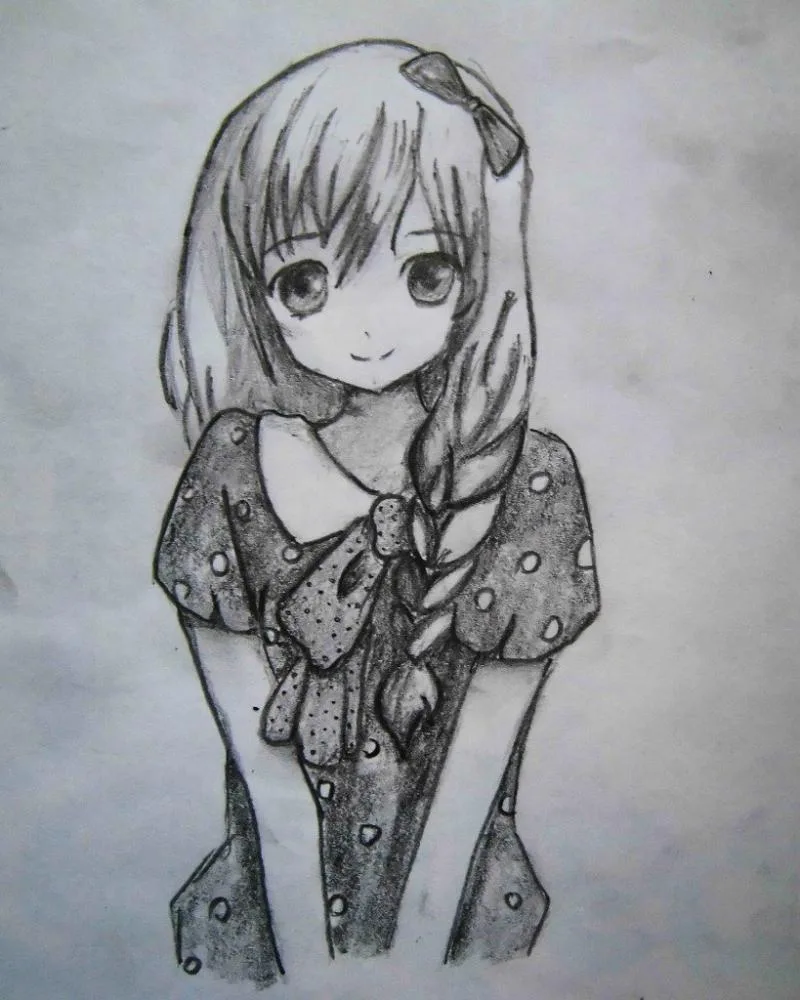






Dasha2003
Спасибо за урок)
Rikk
Спасибо за урок :))) мой рисунок ^-^
SonyaA123
как то так , оцените пожалуйста ????????????
RIAS
Круто
Rikk
Круто!!!!!
liliya-vasilevna
Просьба оценить.
Gumi
Криво, конечно, но всё таки...
Dragonborn
оцените
vaneu
очень хороший урок
Rikk
Очень красиво:)))
Alchya
теперь я поняла насколько ущербно рисую(
Fire
А... А сам рисунок? Мы же так не поймём.
Alchya
Fire, только на 4 этапе . Но уже есть предположения , что морда будет слегка длинноватой )
Кошечка
Динара, очень красиво!
Динара
ну как